
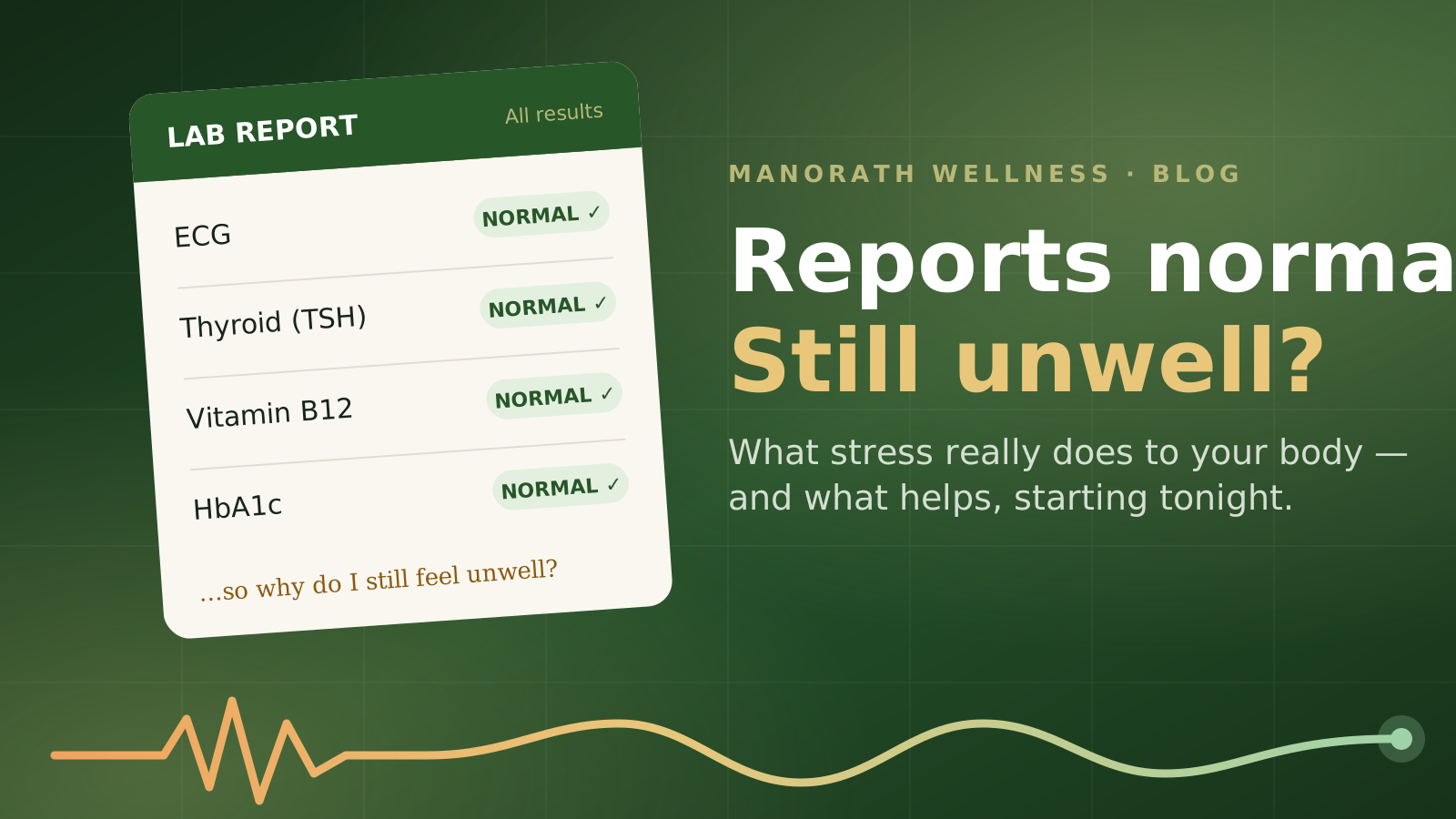
You have done everything right. You went to the doctor, you got the tests, and the reports came back normal. Then came the sentence: "It's just stress."
And somehow that made it worse. Because the palpitations are real. The acidity is real. The stiff neck, the broken sleep, the tiredness that does not lift after a weekend off — all real. "Just stress" sounds as if you are being told it is in your head.
It is not. Stress is not an opinion about you; it is a physical process in your body, with measurable effects on the heart, the gut, the muscles and sleep. Understood properly, "it's stress" is not a dismissal — it is a diagnosis of mechanism, and mechanisms can be worked on.
What "normal reports" actually tell you
A blood test or an ECG answers a specific question: is there a disease here that we can detect? A normal thyroid report means your thyroid hormones are in range. A normal ECG means your heart's electrical rhythm looked normal at the moment it was recorded.
That is genuinely good news — and it is also all it tells you. Routine reports do not measure how tense your nervous system is through the day, how badly you sleep, how fast you eat, or what a long difficult year has done to your body's stress response. A normal report rules disease out. It does not rule your symptoms out.
Why stress produces real physical symptoms
When your brain senses threat — a deadline, a sick parent, money, a marriage under strain — it switches on two systems built for short emergencies:
- The sympathetic nervous system (fight or flight): heart rate rises, breathing quickens, muscles tense, digestion is put on hold.
- The stress-hormone axis, which raises cortisol: blood sugar goes up to fuel you, and sleep becomes lighter so you stay alert.
For a few minutes, that is useful. Switched on for months, it starts to show up as symptoms that send people from doctor to doctor:
| What you notice | What is happening underneath |
|---|---|
| Palpitations, a racing heart | Adrenaline and sympathetic drive raising heart rate |
| Acidity, bloating, loose motions or constipation | The gut–brain connection — stress changes gut movement and sensitivity |
| Stiff neck, shoulders and tension headaches | Muscles held braced for hours at a time |
| Waking at 3am, unrefreshing sleep | Cortisol and alertness running when they should be low |
| Tiredness that rest does not fix | Poor-quality sleep plus a body that never fully switches off |
| Sugar readings creeping up | Cortisol raising blood glucose |
None of these is imaginary. Each has a known pathway. And because they share one cause, treating them one at a time — an antacid here, a painkiller there — rarely holds.
First, rule these out
Before anyone works on stress, the common medical causes of the same symptoms should be checked. If you have not had these done, ask your doctor:
- ECG — for palpitations or chest discomfort
- Thyroid (TSH) — an over- or under-active thyroid can mimic anxiety and tiredness
- Vitamin B12 and vitamin D — deficiencies are common in India and cause fatigue, low mood and tingling
- Haemoglobin — anaemia causes breathlessness and tiredness
- HbA1c and fasting sugar — for fatigue, thirst and frequent urination
See a doctor promptly, rather than treating this as stress, if you have: chest pain on exertion, fainting, unexplained weight loss, blood in your stool or black stools, difficulty swallowing, a fever that keeps returning, night sweats, or a sudden severe headache unlike any before.
What actually helps — things you can start tonight
The nervous system responds to practice, not to being told to relax. These are simple, safe for most people, and work best done daily:
- Breathe with a longer exhale. In for about four counts, out for about six, for five minutes. A slower exhale activates the parasympathetic "rest" system and brings the heart rate down. If you have a heart or lung condition, keep it gentle and comfortable.
- Fix your wake time — every day, Sunday included. A consistent wake time steadies the whole sleep–wake rhythm more than an early bedtime does.
- Get daylight in the first hour. Ten minutes outdoors in morning light helps set tonight's sleepiness.
- Move your caffeine earlier. Tea and coffee after mid-afternoon keep many people's sleep light even when they fall asleep easily.
- Walk for ten minutes after meals. It helps digestion and blunts the sugar rise after eating.
- Write tomorrow's worries down before bed. Two minutes of putting them on paper reduces the late-night mental replay for many people.
Most people notice their sleep and digestion respond first, often within two to three weeks. Palpitations and tension usually ease as sleep improves.
When to get help
If you have tried the basics for a month and the symptoms keep returning, or if they are affecting your work, sleep or relationships, it is worth working on them with someone who looks at the whole picture — sleep, food, movement, breathing and the stress itself — rather than one symptom at a time.
That is the work we do at Manorath Wellness in Jaipur, without medicines, alongside whatever your doctor has prescribed. You can read more about anxiety treatment, digestive problems, sleep and insomnia and mental health support, or simply ask us a question.
Questions people ask
Can stress really cause physical symptoms if my reports are normal?
Yes. Stress changes heart rate, digestion, muscle tension, sleep and blood sugar through the nervous system and stress hormones. These effects are real and physical, and routine tests are not designed to measure them.
How long does it take for stress symptoms to settle?
With daily practice of breathing, a fixed wake time and better sleep, many people notice changes in two to three weeks, and steadier improvement over two to three months. It depends on how long the stress has been running and whether its causes are still present.
Should I stop my medicines if it is "just stress"?
No. Never stop or reduce a medicine your doctor prescribed without speaking to them. Working on stress is done alongside medical treatment, not instead of it.
About the author
Priyank Dadhich founded Manorath Wellness in Jaipur in 2022. He holds a PGDYT (Post Graduate Diploma in Yoga Therapy), is trained in naturopathy, and is a clinical nutritionist certified in modern and Ayurvedic nutrition. More about our team.
This article is general information, not medical advice. Please speak to your doctor about symptoms that worry you, and never stop a prescribed medicine without them.